



Elon Musk-led Tesla signs strategic deal with Tata Electronics for semiconductor chips
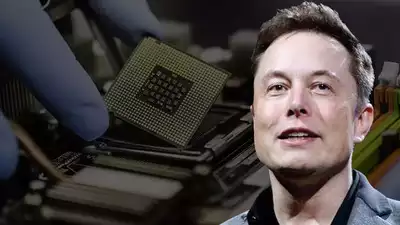
Elon Musk-led Tesla has entered into a strategic agreement with Tata Electronics to source semiconductor chips, marking a significant step in strengthening India’s role within the global semiconductor and electric vehicle supply chain.
Elon Musk-led Tesla has reportedly signed a strategic deal with Tata Electronics to acquire semiconductor chips for its global operations. The agreement, which was finalised discreetly a few months ago, signals Tesla’s growing engagement with India beyond merely tapping into the domestic electric vehicle market.
According to sources familiar with the development, the partnership positions Tata Electronics as a key supplier for global companies looking to establish critical segments of their semiconductor value chain in India. The deal also underlines Tata Electronics’ emergence as a trusted manufacturing partner for top-tier international clients in the semiconductor ecosystem.
Tesla, the world’s most valuable automotive company by market capitalisation, has been exploring opportunities to enter India, currently the fastest-growing automotive market globally. As part of this effort, Elon Musk is expected to meet Prime Minister Narendra Modi during his visit to India, where potential investments in electric vehicle manufacturing facilities may be announced.
Industry experts believe Tesla could invest between $2 billion and $3 billion to set up electric vehicle manufacturing operations in India. This aligns with the country’s rapidly expanding personal mobility market and increasing adoption of electric vehicles.
Ashok Chandak, President of the India Electronics and Semiconductor Association (IESA), stated that Tesla’s efforts to develop a local supplier ecosystem reflect its intention to diversify its global supply chain. However, he also emphasised the need to strengthen India’s semiconductor sourcing capabilities, particularly for industries such as automotive that demand higher levels of value addition.
Recent policy changes by the Indian government allow automakers to import electric vehicles priced above $35,000 at a reduced import duty of 15%, provided they commit to investing $500 million within three years to establish local manufacturing facilities. Tesla is expected to initially focus on premium EV models, while evaluating local production of more affordable electric vehicles in the future.
Tata Electronics, meanwhile, has been strengthening its semiconductor ambitions by expanding its talent base. The company has hired 50–60 senior expatriate professionals to enhance expertise in semiconductor technology, strategic planning, and chip design. These hires are expected to play a critical role in scaling Tata Electronics’ operations.
Tesla has also been actively diversifying its component sourcing strategy following the COVID-19 pandemic, reducing reliance on China for critical electronic, electrical, and mechanical components. While Tesla manufactures certain components in-house—such as electric motors, battery packs, and chargers—it continues to source sub-assemblies and specialised parts from global suppliers.
Tata Electronics has established semiconductor manufacturing facilities in Hosur (Tamil Nadu), Dholera (Gujarat), and Assam, with further expansion planned to create a fully integrated semiconductor supply chain in India. To date, the company has invested approximately $14 billion in its semiconductor business.
Sources added that Tata Electronics has made significant investments in indigenous technology development across its platforms and has assembled a leadership team with over 1,000 years of combined global semiconductor experience, reinforcing its long-term commitment to building a world-class semiconductor ecosystem in India.
 Whatsapp